
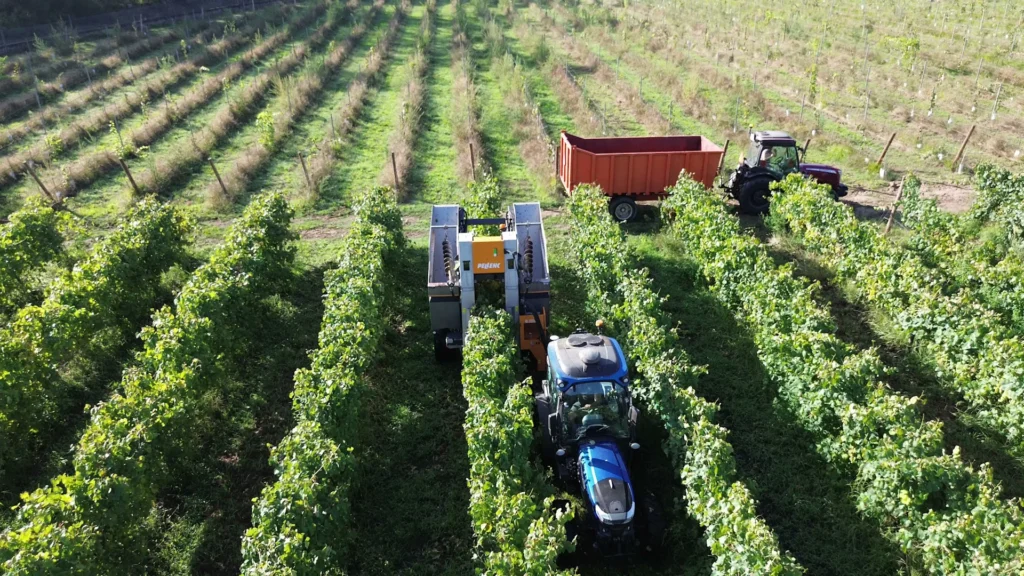
The last load of grapes has left the vineyard. Before the winter work begins, a walk through each block can reveal what the harvest figures alone miss. At Solar de Leirós, we use this interval to review the season and decide which jobs deserve attention first.
1. Review the season block by block
Set yield and grape quality alongside the work each block required. Note irrigation, fertiliser use, labour hours, disease pressure and delays at harvest. Two blocks may have delivered similar tonnages, yet one needed an extra picking day. That difference is worth understanding before allocating next year’s budget.
2. Walk the vineyard after rain
The first autumn rains show where water stands, where soil has washed away and which gateways carry deep wheel marks. Mark those places on a map. Leave machinery off ground that cannot support it. If fertility is a concern, interpret soil tests in light of the block’s history before deciding what to apply.
3. Mark gaps and vines that need a closer look
Record the row and position of missing vines, failed replacements and plants that showed unusual symptoms during the season. A photograph with a row number is much easier to act on in winter than a note saying “weak vines near the gate”. Mark broken posts and loose wires on the same walk.
4. Set a pruning order
Variety, vine age, vigour, training system and local frost risk all matter. In the Vinhos Verdes region, the regional viticulture commission places winter pruning during dormancy, after leaf fall. When scheduling the crew, allow for wet weather and flag vines that need separate attention. Regional guidance on pruning (in Portuguese).
5. Check the trellis and equipment
Inspect end posts, anchors and wires, then check irrigation lines and the machinery needed for winter work. Counting damaged posts now gives you a materials order. Finding them on pruning day leaves a crew waiting.
6. Give each job a date and an owner
For each block, write down the job, who will do it, the materials needed and the earliest suitable conditions. A drainage inspection may need to follow rain, while replacing a post may have to wait for firmer ground. If you would like help setting priorities, tell us about your vineyard.